WHO Global Compact: Green light for draft pandemic agreement
- Dario Valerio

- Apr 24, 2025
- 3 min read
After more than three years of intense negotiations, the member countries of the World Health Organization (WHO) have taken a crucial step in building a stronger and more equitable international system to address future health emergencies. A 32-page draft agreement was approved unanimously and will be submitted to the World Health Assembly for consideration in May 2025. The stated objective: to prevent, prepare for and respond in a coordinated manner to pandemics, filling the gaps that emerged during the Covid-19 crisis.
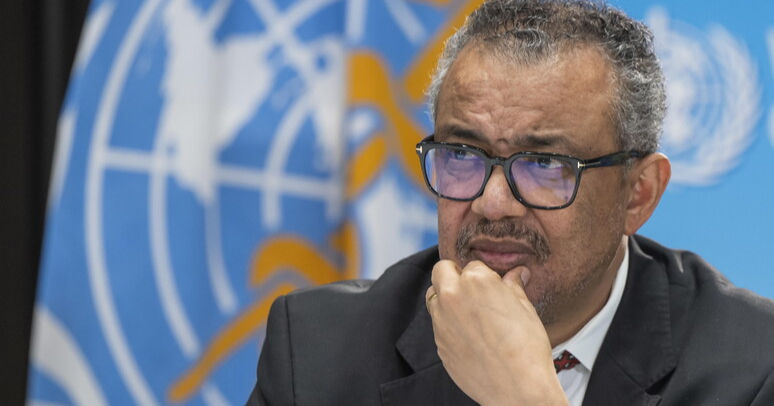
WHO Director-General Tedros Adhanom Ghebreyesus called the outcome of the negotiations “a historic moment for global health,” stressing that the agreement shows that multilateralism is not only still possible, but essential in the face of common threats. “In a polarized world,” he said, “nations have found a shared language to protect future generations from new health tragedies.”
The treaty is based on three key principles: equity, solidarity and transparency . It aims to establish a legal and operational framework that allows States to coordinate promptly in the event of future emergencies, avoiding delays in response and disparities in access to prevention and treatment. Particular attention is paid to the need to base decisions on shared scientific evidence, to prevent political or economic considerations from compromising the effectiveness of health measures.
The drug and technology knot
One of the most controversial issues has been equitable access to vaccines, diagnostic tests and treatments. The draft provides for the creation of the Pathogen Access and Benefit-Sharing System (PABS) , a system that should facilitate the sharing of pathogens and ensure a fairer distribution of the resulting health products. The PABS includes a commitment to reserve 20% of these resources for WHO to redistribute to less equipped countries. However, the operational details will be defined in later phases and its full implementation is expected by 31 May 2026. Crucial will be the mutual agreement between states on technology transfer, which has generated tensions between high-income nations and developing countries.
Although the text represents significant diplomatic progress, several international observers have highlighted grey areas. The organization Privacy International , for example, has denounced the lack of concrete mechanisms for the protection of personal data, a fundamental element in pandemic scenarios in which the collection and sharing of health information is massive. Furthermore, the draft does not establish any dedicated financial fund, leaving the crucial issue of the resources necessary for the implementation of the measures envisaged unanswered.
The absence of the United States and the geopolitical implications
The absence of the United States in the final stretch of the negotiations has raised many doubts. The decision has its roots in the Trump administration, when Washington temporarily left the WHO and drastically reduced funding for international cooperation. Although it later rejoined the agency, the United States did not actively participate in the final drafting of the agreement, fueling doubts about the global effectiveness of a pact that lacks the full support of one of the world's leading health and economic powers.
The signing of the draft undoubtedly represents a turning point in global health governance, but its concrete value will be determined by the political will of States to translate the principles into binding and financially supported acts. Without a collective commitment to implementation, the risk is that the treaty will remain a dead letter. However, the unanimous consensus reached in Geneva is an encouraging sign: in the still living memory of the victims of Covid-19, the international community is trying not to repeat the same mistakes.


Comments